BLOG
Energy-Efficient Homes: The Key to Comfortable and Cost-Effective Living
Energy-Efficient Homes: A Smarter Way to Live
A Changing Perspective on Housing
In recent years, the way people think about housing has changed dramatically. Unstable energy systems, rising electricity and heating costs, and occasional interruptions in power and heat supply have forced many to reconsider what an energy-efficient home truly means. A home is no longer just walls and a roof — it is a space that must remain resilient to external challenges, economical to operate, and comfortable in any situation.
Against this backdrop, energy-efficient homes have moved far beyond being a niche concept or a passing trend. They have become a practical response to a reality where predictable expenses and a certain level of independence from external systems are increasingly important. Today, more families, entrepreneurs, and investors are choosing energy-efficient homes as a way to protect themselves from uncertainty while creating a stable environment for living or working.
But what does energy efficiency actually mean in practice? How do such homes differ from traditional construction, and how do modern modular houses make these principles achievable?
Modern Challenges and New Expectations for Housing
Ten or fifteen years ago, when choosing a house, the key factors were usually its size, appearance, and construction cost. Today, those criteria alone are no longer enough. Expectations have become more practical and informed.
First, the cost of heating and electricity has increased significantly. Even owners of relatively new homes often face high and unpredictable utility bills. Second, interruptions in electricity, water, or heating have shown just how vulnerable traditional houses can be when they are not designed to operate independently. Energy efficiency directly influences the sense of stability and security within a home — and simply having a house is no longer enough.
At the same time, people have begun to place greater value on a stable indoor climate. A modern home should be thoughtfully designed, adaptable, and economically reasonable to maintain. It should provide comfortable temperatures in both winter and summer without constant dependence on external energy networks.
Another shift is how homeowners think about long-term costs. While construction used to be the main focus, today many people evaluate a home based on its lifetime operating expenses. An energy-efficient house means predictable utility bills, less strain on engineering systems, and greater control over resource consumption.
What Energy Efficiency Means in Practice
Simply put, energy-efficient buildings are designed to use less energy to maintain comfortable living conditions. However, it is important to understand that energy efficiency is not about a single technology or a “magic” insulation material.
Instead, it is the result of several solutions working together, including:
Thoughtful architectural design
Minimization of heat loss
Efficient use of resources
Well-designed engineering systems
When these elements are combined, a house is able to retain heat more effectively and use energy more efficiently. As a result, the home warms up faster, retains heat longer, and requires lower operating costs.
Energy efficiency is also closely linked to comfort. It is not only about lower utility bills, but also about better quality of life — fewer drafts, stable temperatures, quieter interiors, and a healthier indoor environment.
In professional construction standards, buildings are often classified according to energy efficiency ratings, from lower classes to higher ones such as Class B, A, and above. High-efficiency homes are characterized by minimal heat loss and optimized engineering solutions — goals that AREMBUD EU actively pursues when developing modern modular housing solutions.
How Energy-Efficient Homes Differ from Traditional Construction
A common misconception is that energy-efficient homes are simply well-insulated houses. In reality, the difference is much deeper.
Traditional construction often faces several systemic challenges:
Poor airtightness in structural elements
Heat loss through joints and connections
Thermal bridges in structural intersections
Engineering systems added during construction without a unified plan
Even when high-quality materials are used, the human factor and lack of a comprehensive approach can lead to results that fall short of the original design expectations.
Homeowners also often underestimate long-term operational costs and the importance of proper ventilation and quality control throughout the construction process. As a result, what was intended to be an energy-efficient house may turn out to be more expensive to maintain than expected.
A well-planned energy-efficient home, by contrast, considers the entire lifecycle of the building, from the initial design stage to daily operation.
The AREMBUD EU Approach to Energy-Efficient Construction
At AREMBUD EU, the philosophy of construction is centered around practical, well-thought-out living solutions. The goal is not simply to follow trends but to create homes that are logical, functional, and suited to real-life conditions.
Energy efficiency begins at the design stage. Each project is developed with consideration for climate conditions, lifestyle scenarios, and the specific needs of the client. This approach helps avoid compromises that often arise during traditional on-site construction.
The company applies an integrated approach where:
The house structure is designed as a single system
Engineering solutions are integrated into the architecture from the beginning
Materials are selected based on thermal performance and durability
Experience working in challenging and unpredictable environments has also shaped the approach to building solutions that remain reliable even under demanding conditions.
Technologies and Solutions Used in AREMBUD EU Homes
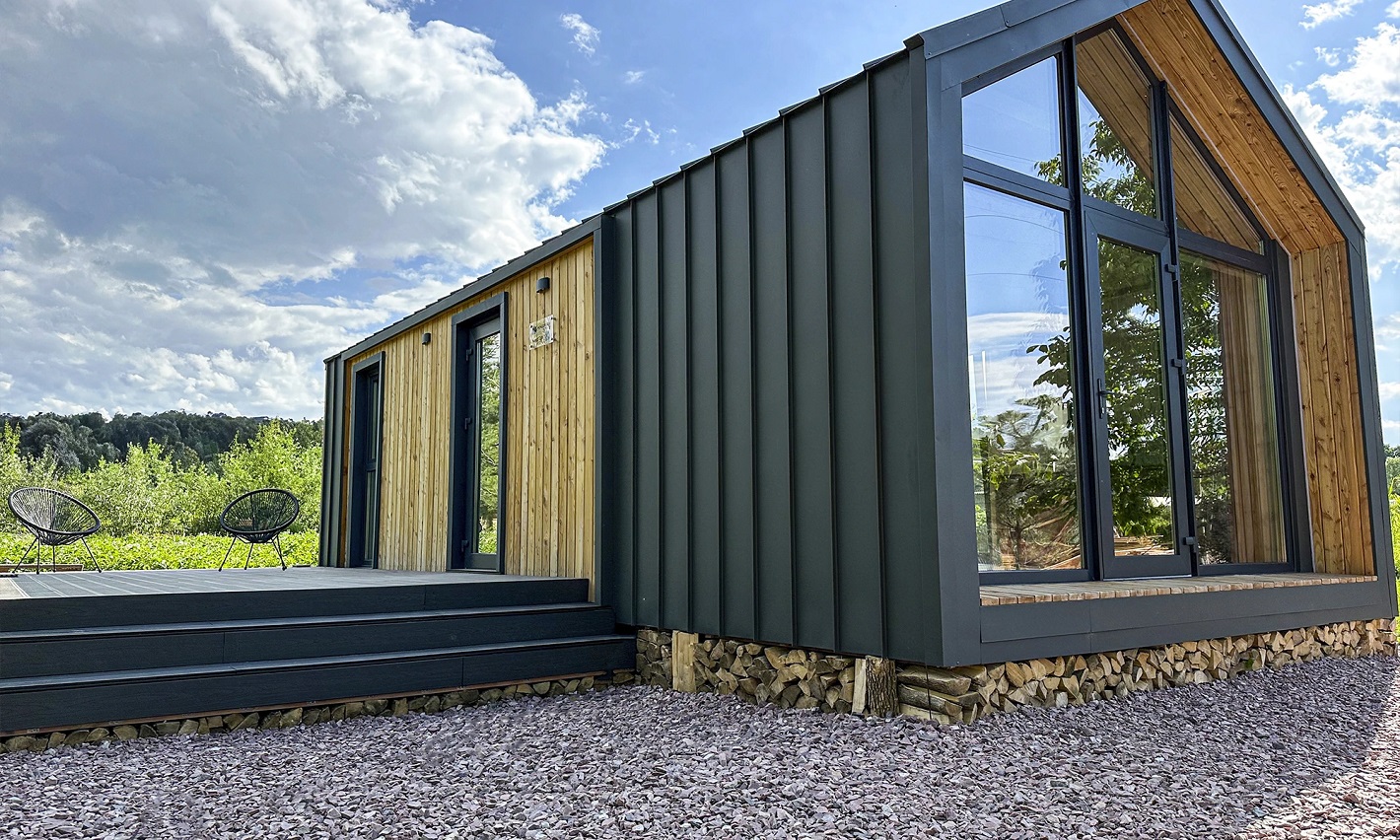
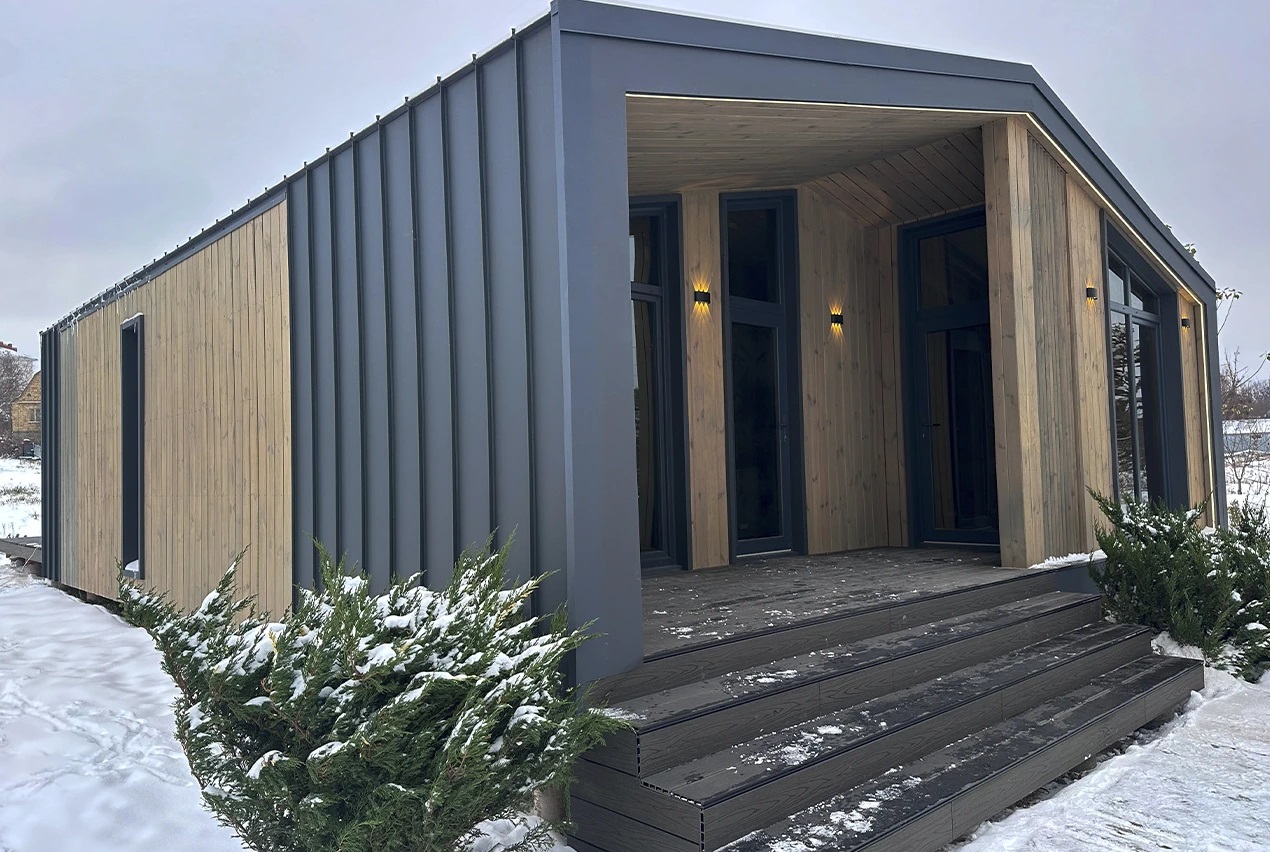
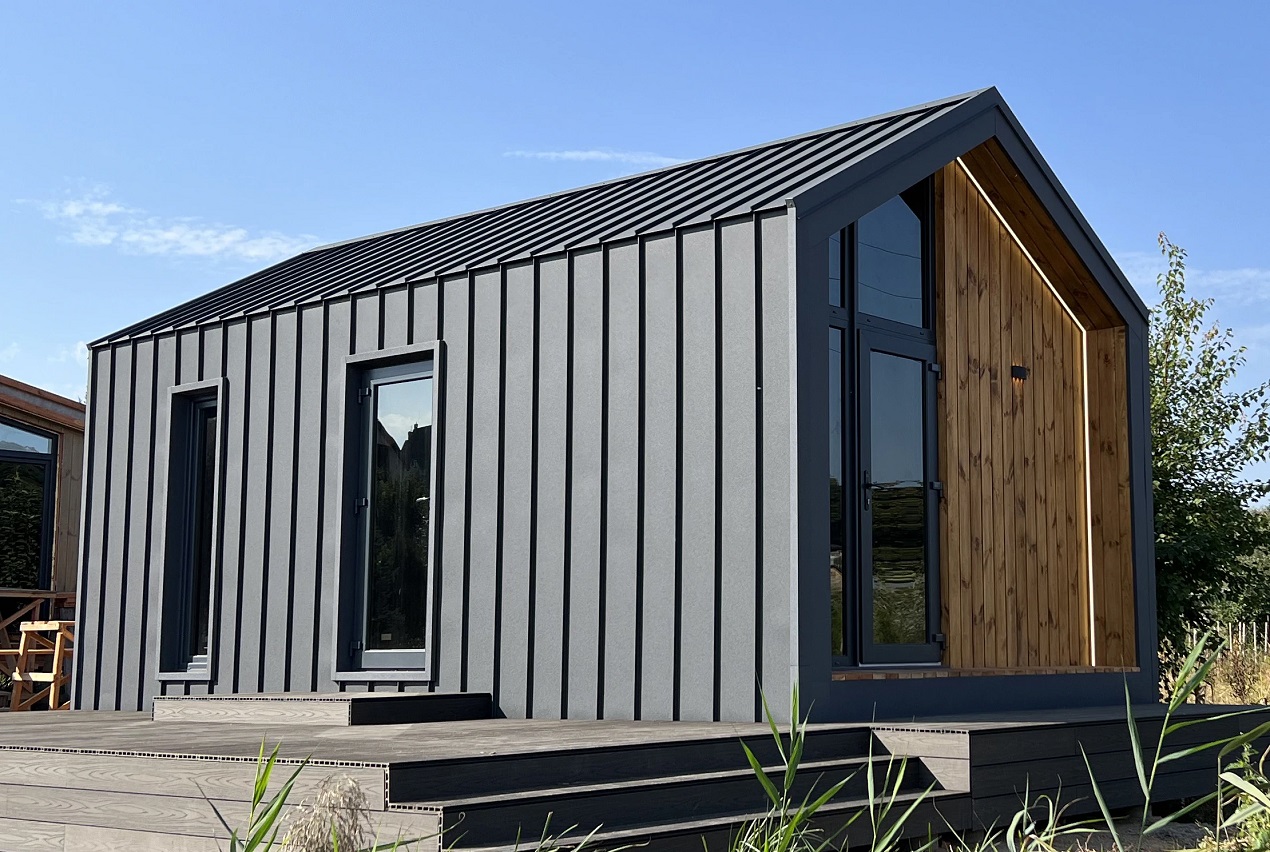
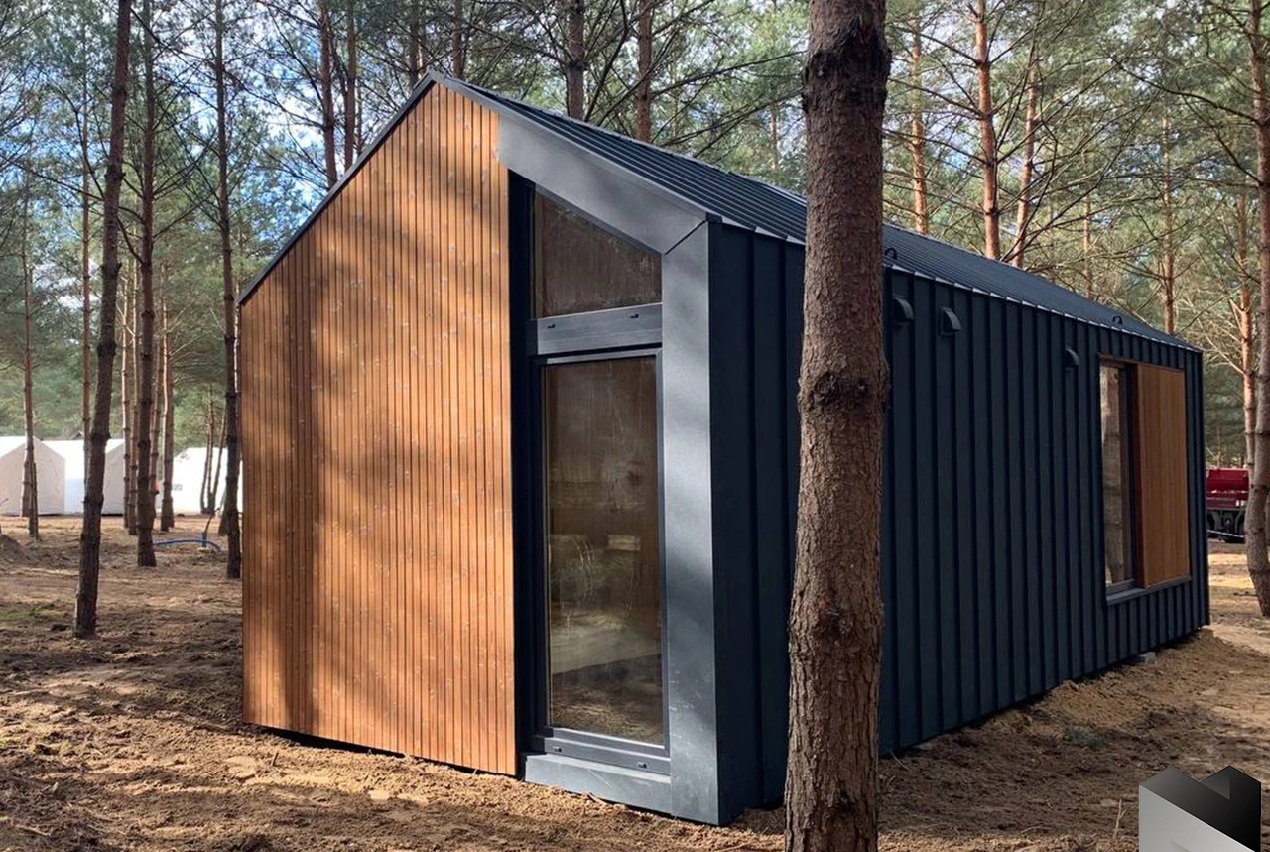
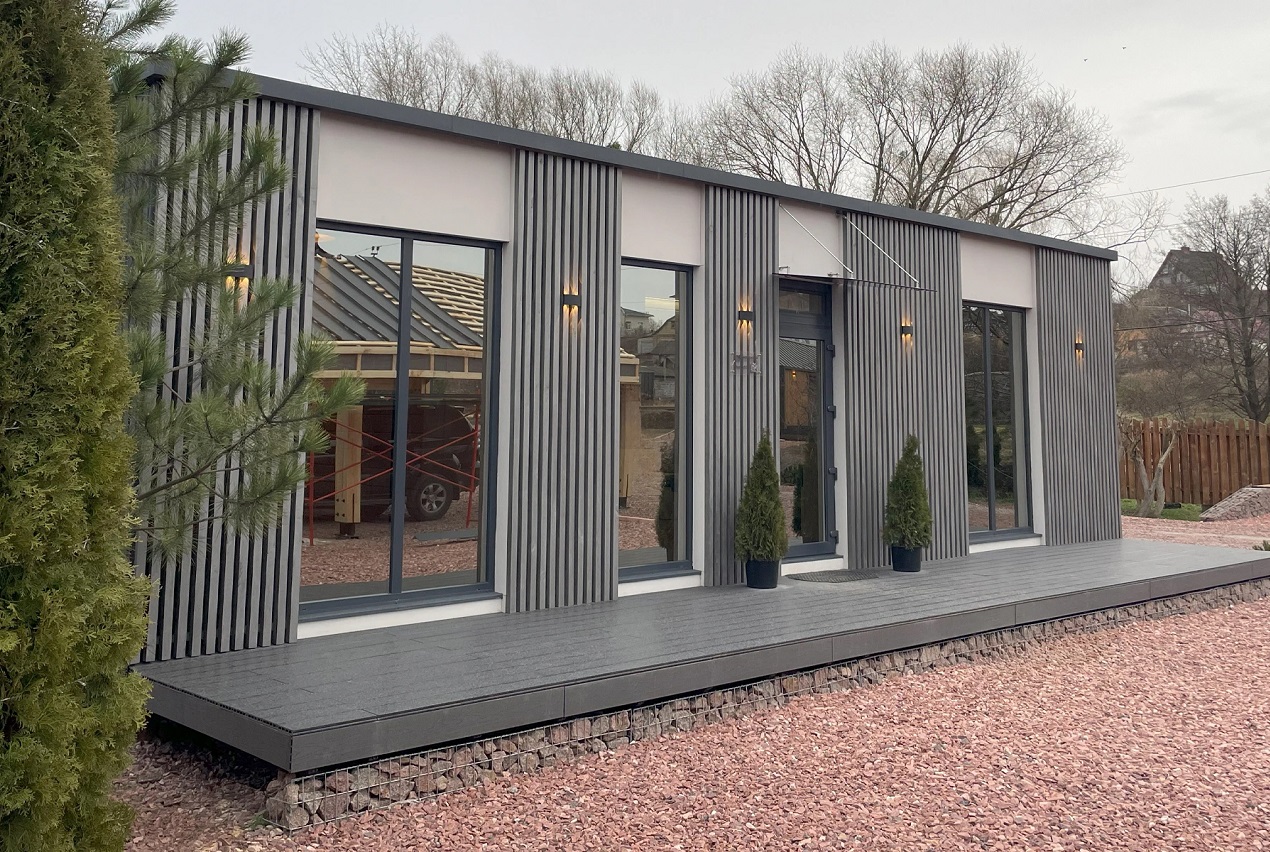
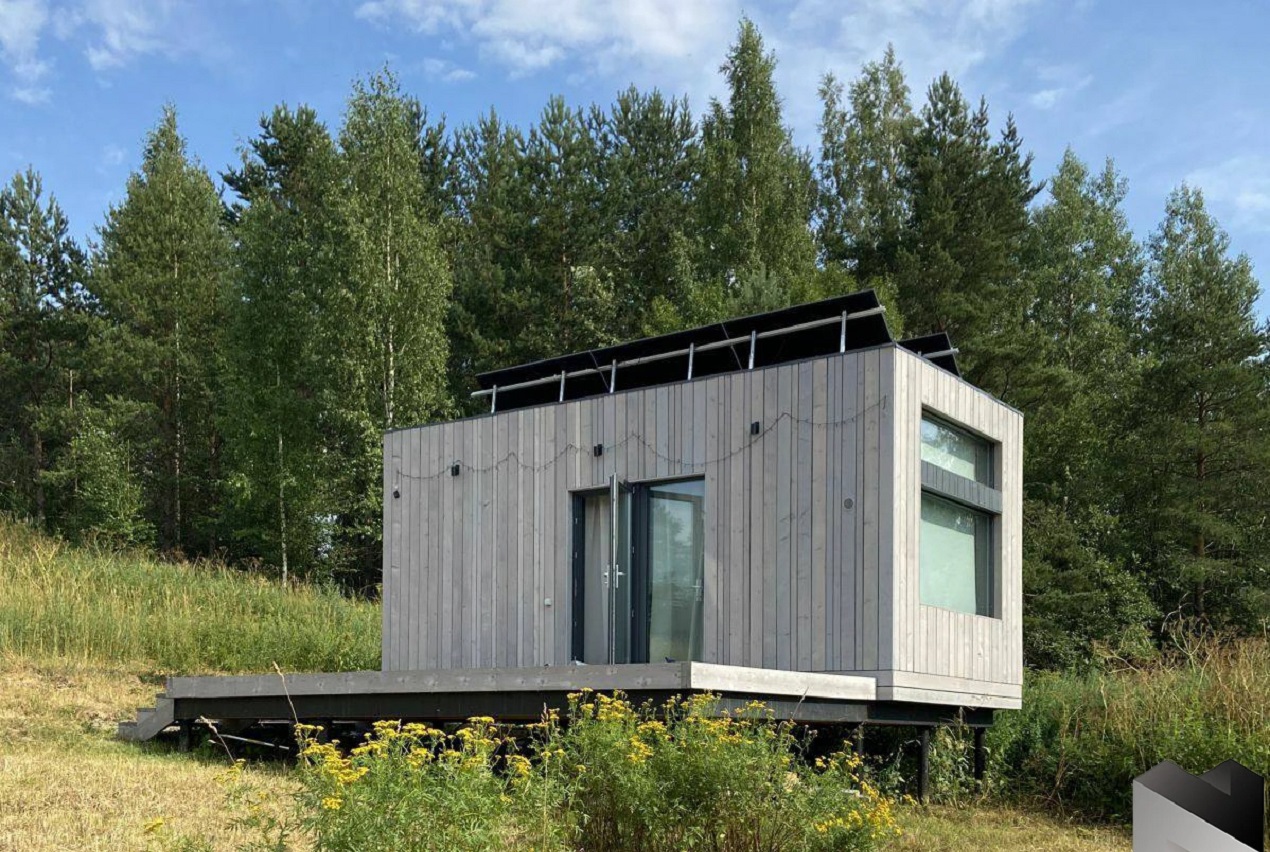
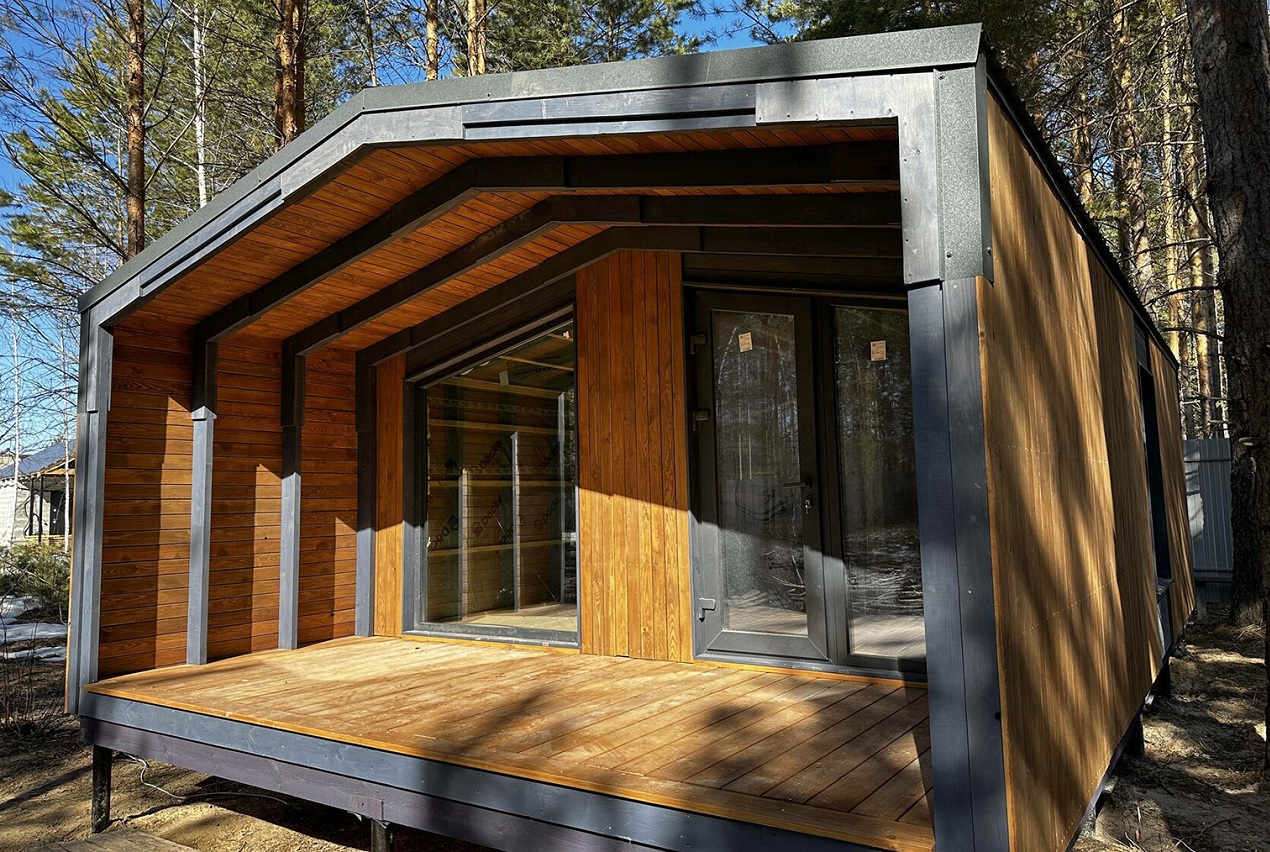
The foundation of energy-efficient modular homes from AREMBUD EU lies in high-precision structural systems manufactured in controlled conditions. This approach ensures accurate assembly and significantly reduces heat loss.
A continuous insulation envelope without gaps is one of the key elements that distinguishes modern modular homes from traditional buildings.
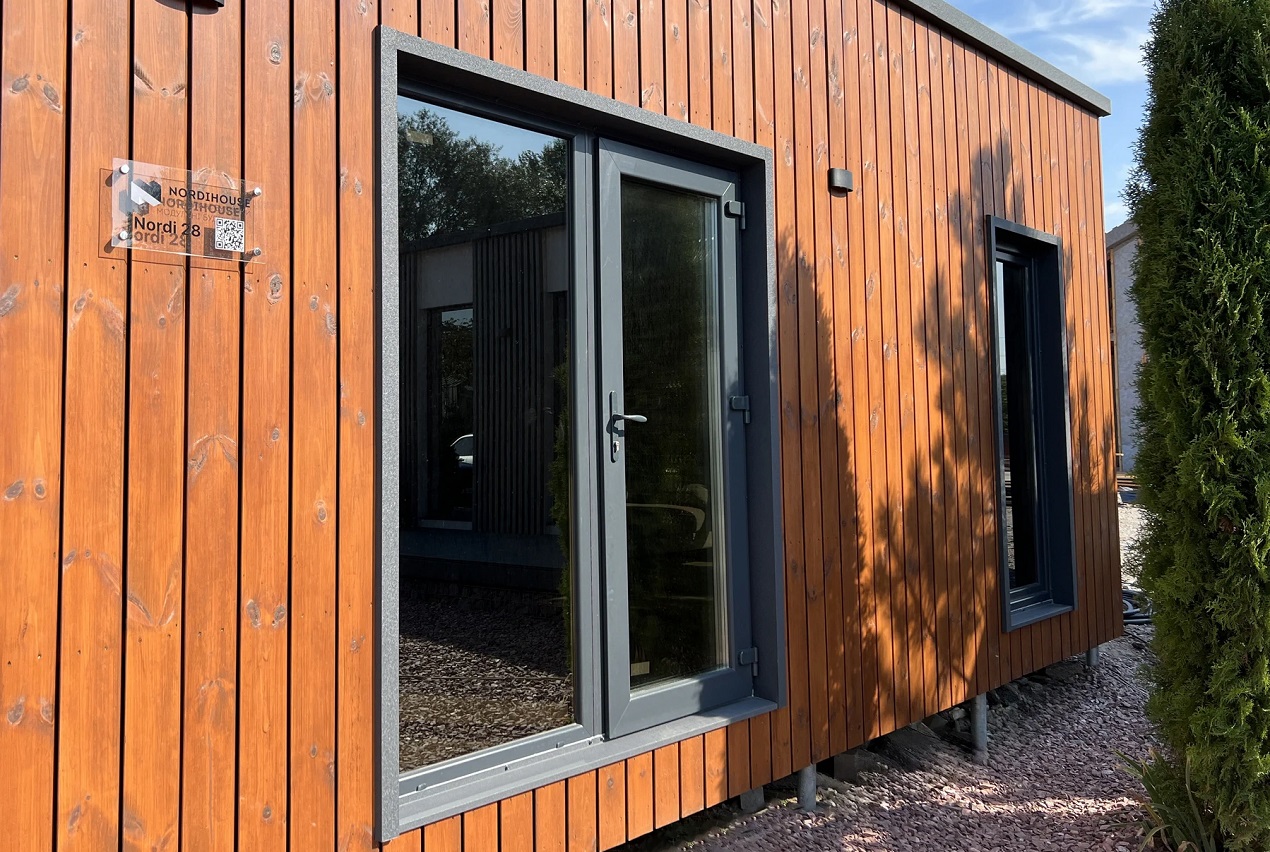
Special attention is also given to airtightness. High-quality windows, carefully designed vapor and wind protection layers, and efficient insulation help maintain a stable indoor climate while reducing the load on heating systems.
Engineering solutions can include:
Electric heating systems
Underfloor heating
Infrared heating panels
Heat pumps
Smart home systems for energy consumption monitoring and control
The key advantage is that all these elements work together as part of a unified system rather than functioning as separate technologies.
Efficiency and Independence in Everyday Life
In practice, energy-efficient homes significantly reduce heating and operating costs. For houses with an area of approximately 40–60 m², winter energy expenses remain predictable and often noticeably lower than in traditional homes.
Energy-efficient design also reduces dependence on external energy networks. Even during disruptions in electricity supply, such homes are better prepared to maintain comfortable conditions — which becomes especially important during colder months.
However, the benefits go beyond financial savings. Homeowners often highlight:
A quieter interior environment
Stable temperatures without sudden fluctuations
A greater sense of control and predictability in everyday living
Who Energy-Efficient Modular Homes Are Designed For
Energy-efficient modular homes from AREMBUD EU are suitable for a wide range of uses, including:
Permanent residences for families
Business spaces such as offices or rental units
Investment projects and development initiatives seeking reliable and predictable operating costs
Why Modular Construction Enhances Energy Efficiency
Ultimately, high energy efficiency in construction is not achieved solely through materials or technology. It is largely the result of controlled and precise building processes.
This is where modular construction offers a clear advantage over traditional on-site building methods. Producing homes in a factory environment allows strict quality control at every stage. Structural elements are assembled according to carefully calculated specifications, ensuring accurate geometry and a continuous insulated envelope.
This approach minimizes human error and eliminates common construction issues such as insulation gaps, poorly aligned joints, and heat loss through structural connections.
Another important benefit is speed. Modular construction makes it possible to deliver a fully finished home within a matter of weeks while maintaining its energy-efficient characteristics. Unlike traditional building processes — where timelines often extend and quality may vary — the final result is predictable both in terms of construction time and performance.
For these reasons, modular homes from AREMBUD EU are increasingly becoming the logical choice for people seeking not just modern housing, but a reliable and forward-thinking living solution designed for today’s challenges.
If comfort, efficiency, and predictable costs matter to you, explore the modular home projects from AREMBUD EU and discover how modern construction can create a smarter and more sustainable living environment.