BLOG
Modern Modular Home Interiors: A Perfect Balance of Functionality, Aesthetics, and Comfort
Modern Interior Design Trends for Modular Homes
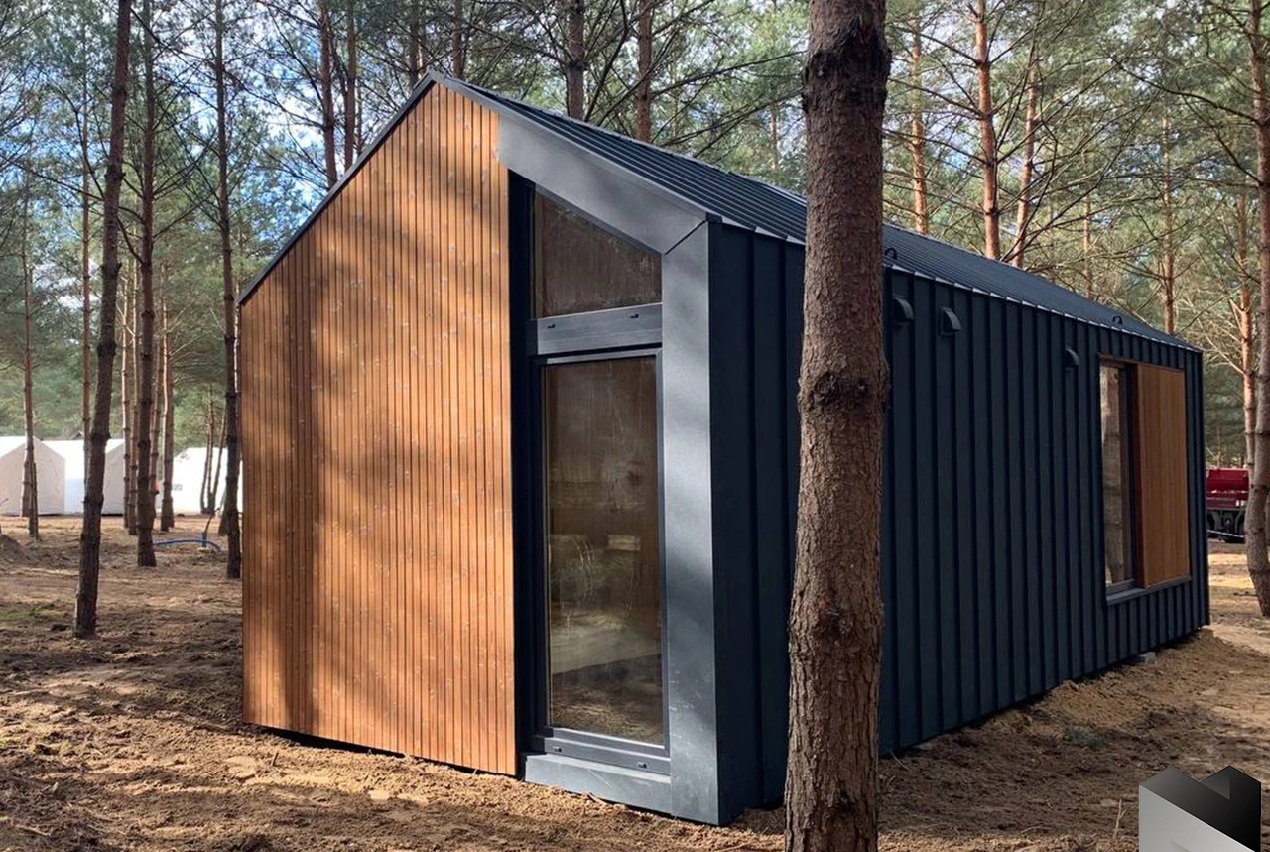
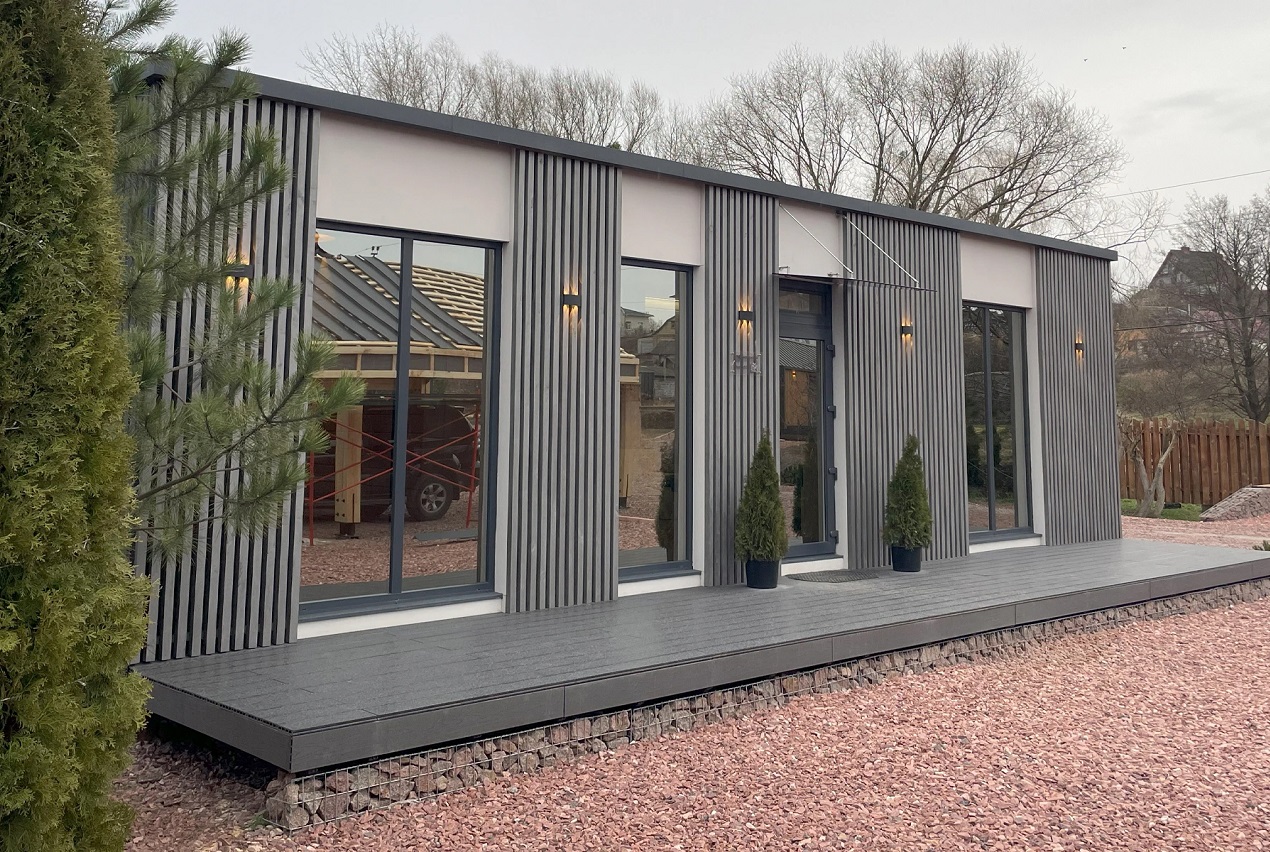
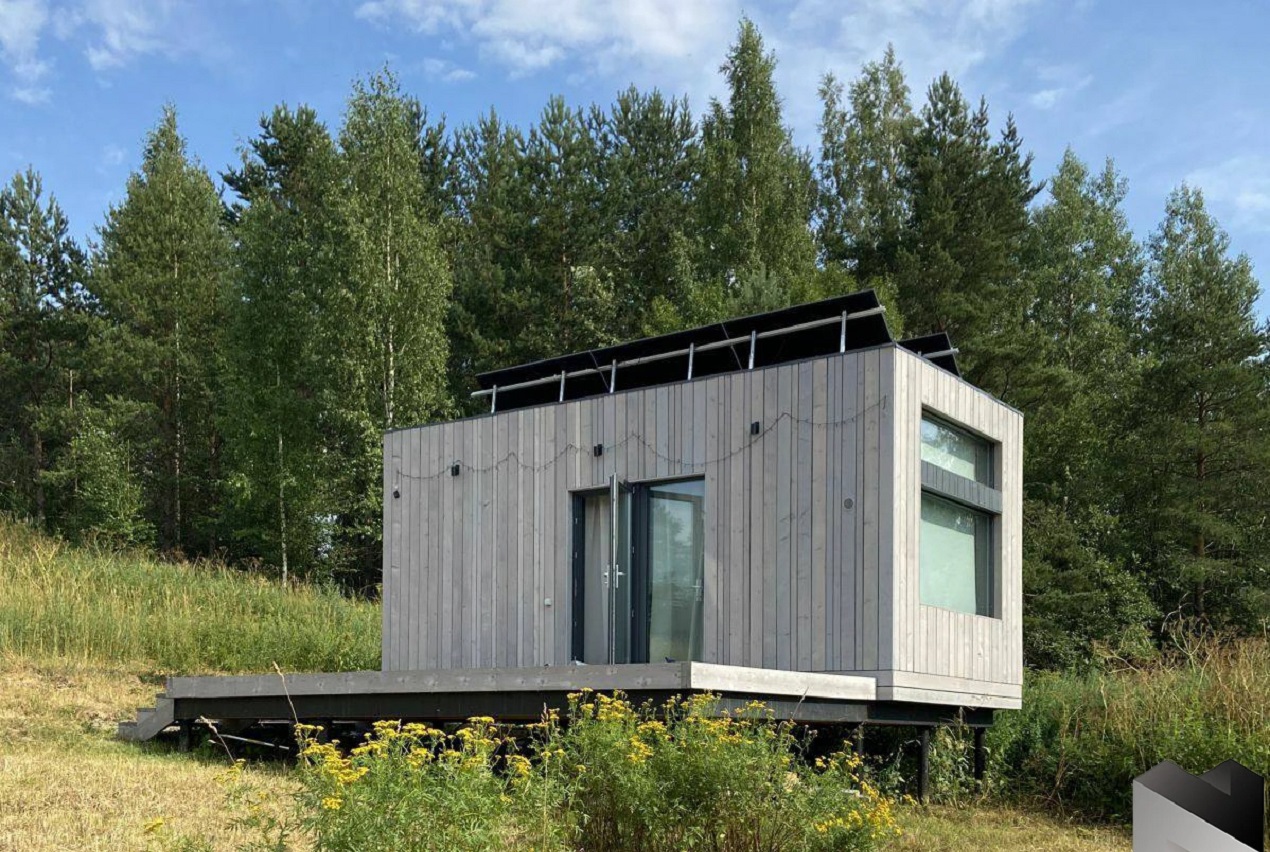
Modern modular homes combine functionality, aesthetics, and comfort. Interior design plays a key role in transforming a compact modular space into a stylish and practical living environment. At AREMBUD EU, we design modular buildings that follow the latest architectural and interior trends while maintaining efficiency and comfort.
Whether it is a garden modular house, a home office, or a full residential project, modern interiors focus on smart use of space, natural materials, and technology that enhances everyday living.
Below are the most important interior design trends shaping modern modular homes in Belgium and across Europe.
1. Minimalism and Clean Design
Minimalism remains one of the most important design trends in modular architecture. The concept focuses on maximizing space while minimizing unnecessary decorative elements.
Clean lines, neutral colors, and integrated storage solutions help create interiors that feel open and organized even in smaller modular homes.
Common design solutions include:
• built-in wardrobes and wall niches that keep spaces uncluttered
• smooth surfaces without heavy moldings or decorative elements
• hidden storage compartments integrated into walls and furniture
Minimalism is particularly suitable for prefab homes EU, where efficient space planning is essential.
2. Biophilic Design – Bringing Nature Inside
Biophilic design integrates natural elements into interior spaces, creating a stronger connection between the home and the surrounding environment.
In modular homes Belgium, this approach works especially well in garden settings or countryside locations.
Popular biophilic design elements include:
• large panoramic windows that bring natural light inside
• natural wood finishes and stone textures
• indoor plants or vertical green walls
Outdoor terraces connected to living spaces also help create a seamless transition between interior and exterior environments.
3. Multifunctional Furniture
Because modular homes are often designed with compact layouts, multifunctional furniture plays an important role in maximizing space.
Modern transformable furniture allows homeowners to use every square meter efficiently.
Examples include:
• sofa beds with built-in storage compartments
• foldable dining tables that convert into workspaces
• modular shelving systems that adapt to changing needs
These solutions are especially popular in garden modular houses used as studios or guest homes.
4. Bold Accent Elements
Minimalist interiors benefit from carefully chosen accent pieces that add character without overwhelming the space.
These accents can include:
• a brightly colored armchair
• decorative cushions or rugs
• modern artwork or graphic prints
A single statement piece placed against a neutral background can transform the entire atmosphere of a room.
5. Smart Home Technology
Technology is becoming a natural part of modern modular living. Smart home systems increase comfort while improving energy efficiency.
Many prefab homes in Europe now include automated systems such as:
• smart lighting controls
• automated climate systems
• intelligent thermostats
• air quality and humidity sensors
Through mobile apps or voice control, homeowners can manage their environment from anywhere.
6. Layered Lighting Design
Lighting design is essential for creating a comfortable and functional interior.
Modern modular homes often combine several lighting layers:
• main ceiling lighting for general illumination
• task lighting for reading or work areas
• decorative lighting that adds atmosphere
Popular solutions include:
• integrated LED strips in ceilings or floors
• wall-mounted reading lights
• pendant lights above dining areas or kitchen islands
These elements help create depth and visual interest in compact spaces.
7. Natural Color Palettes
Interior color schemes for modular homes typically focus on calm, natural tones that make spaces feel larger and brighter.
Common base colors include:
• warm beige
• light gray
• soft white
These tones are often combined with natural materials such as wood, concrete, or stone.
To add personality, designers sometimes introduce soft pastel accents or deeper colors that highlight specific zones in the interior.
8. Durable Materials and Textures
Durability is an important factor in modular construction. Interior finishes must be both aesthetically pleasing and resistant to daily use.
Common materials used in modern modular homes Belgium include:
• engineered stone countertops in kitchens
• laminated flooring or anti-slip tiles
• durable wall finishes that are easy to clean
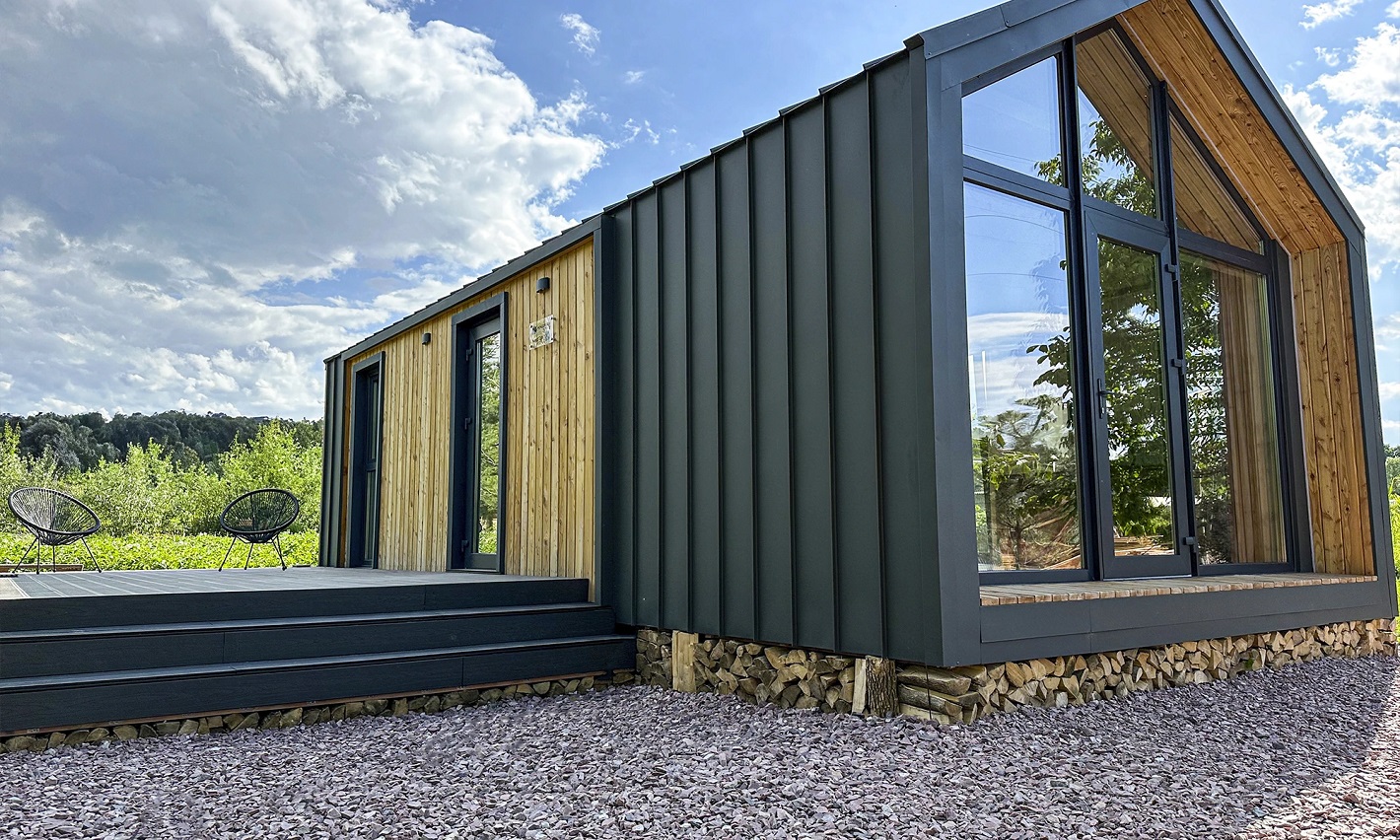
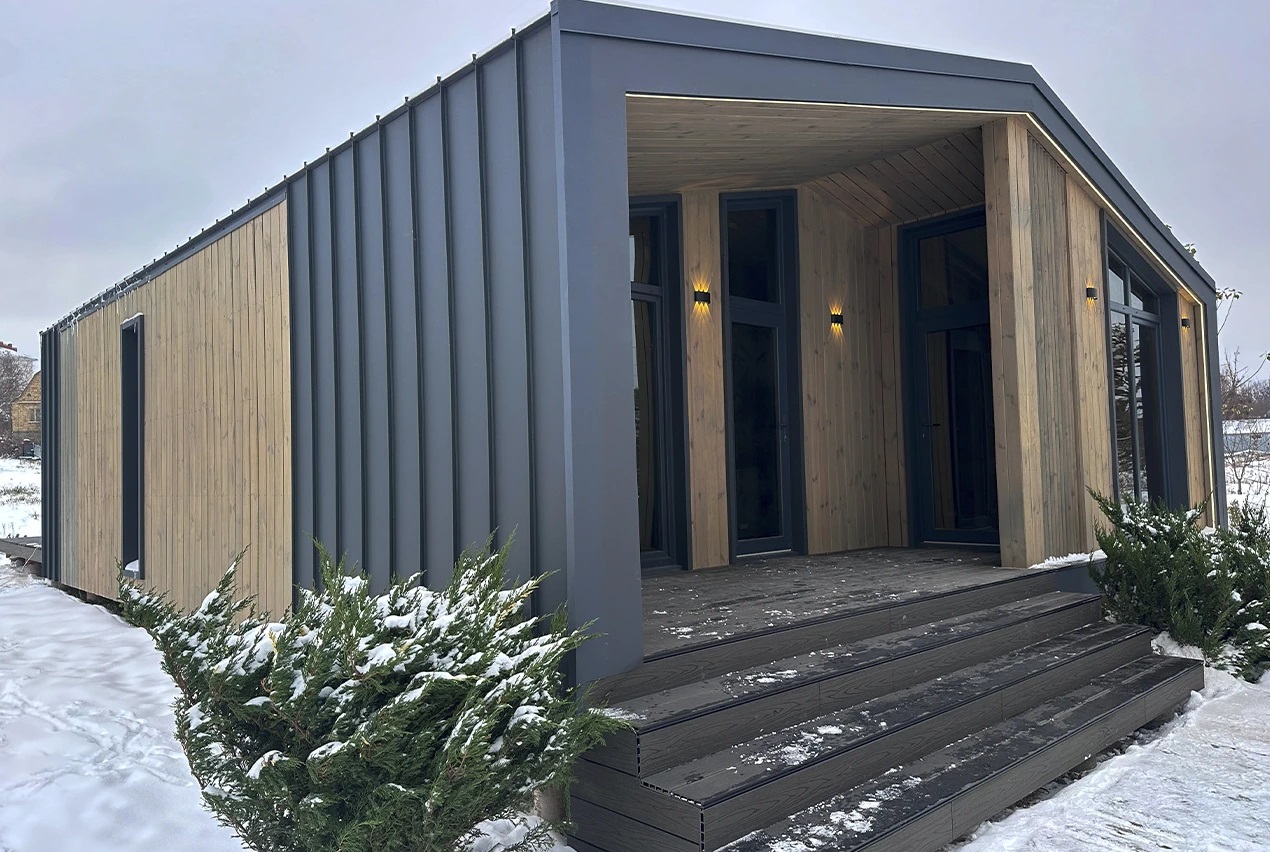
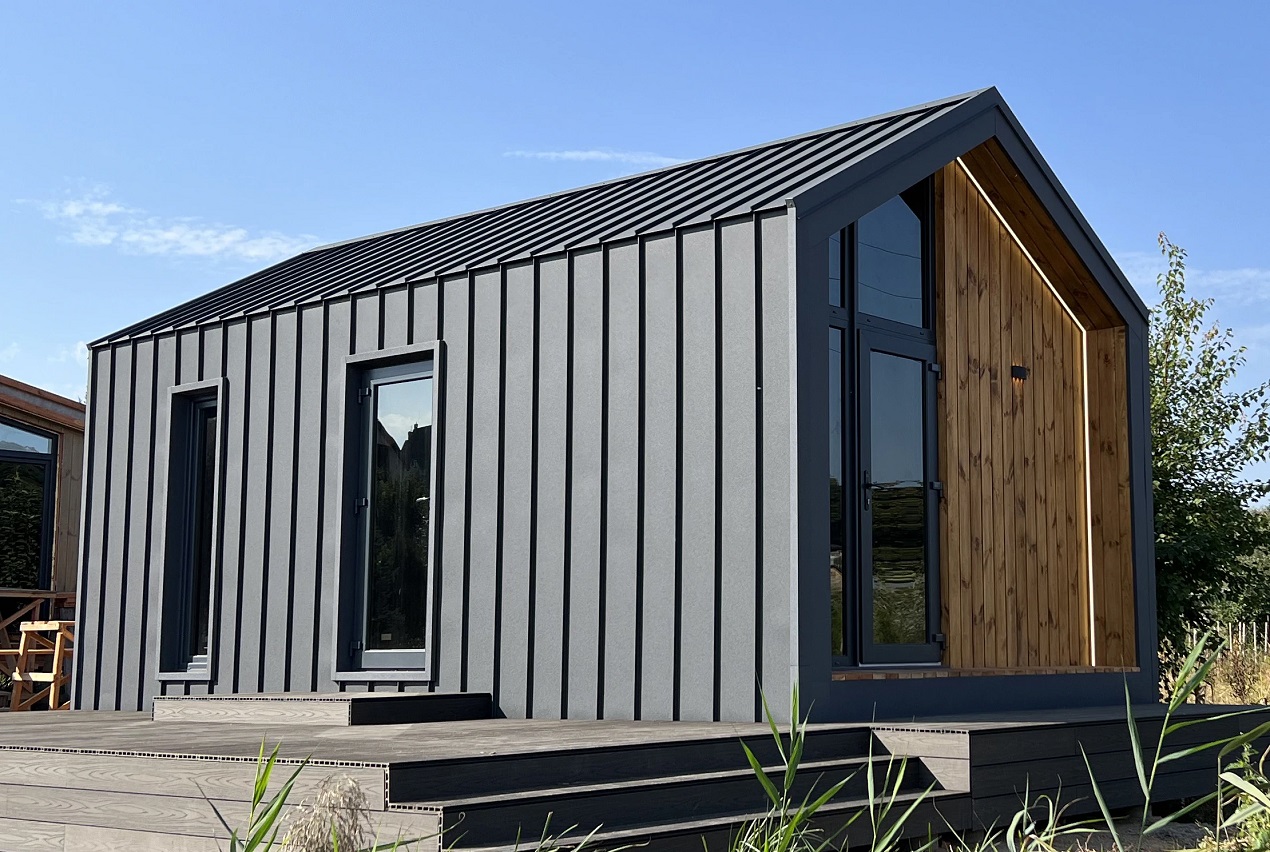
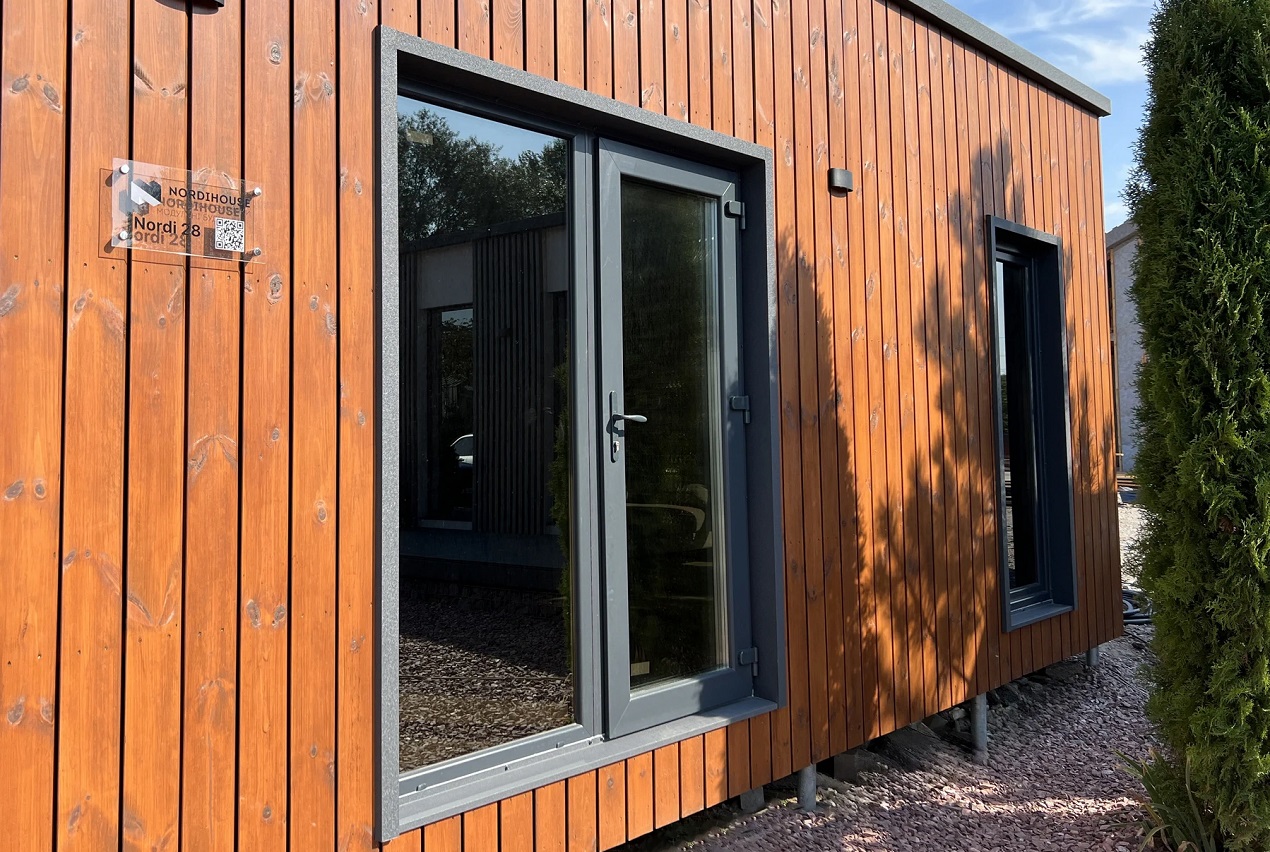
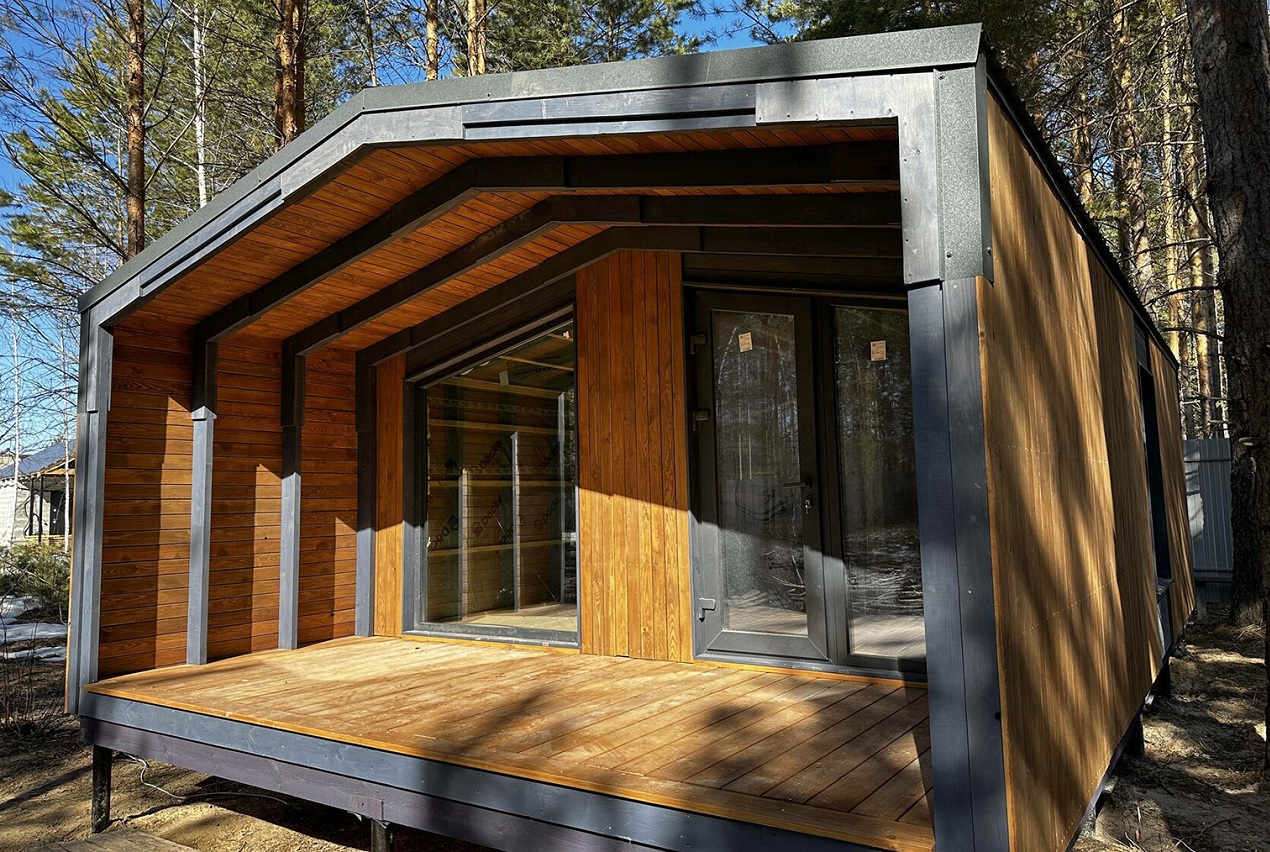
Exterior materials often include wood-inspired cladding or modern siding that blends with natural surroundings.
9. Outdoor Integration
One of the biggest advantages of modular homes is their ability to integrate seamlessly with outdoor spaces.
Many garden modular houses are designed with:
• terraces
• pergolas
• verandas
• landscaped gardens
Green roofs and vertical gardens are also becoming increasingly popular, providing both natural insulation and visual appeal.
10. Personalization and Unique Style
Even though modular homes are produced using standardized systems, they offer significant opportunities for personalization.
Homeowners can create unique interiors by incorporating:
• custom furniture
• handmade decorative objects
• artwork from local artists
Personal design elements help transform a modular structure into a truly personal living space.
Conclusion
Modern interior design trends are transforming the way modular homes are perceived. Today’s prefab homes EU combine smart design, advanced materials, and modern technologies to create spaces that are both stylish and highly functional.
At AREMBUD EU, our modular buildings are designed to reflect these trends while maintaining efficiency, durability, and comfort.
Whether you are looking for a modular home in Belgium, a garden modular house, or a flexible prefab structure, modern modular architecture offers a practical and elegant solution for contemporary living.